Mold Removal Sarasota
Trusted Mold Remediation Specialists in Sarasota
With over 8 years of experience serving Sarasota and surrounding areas, our network of certified professionals follows strict EPA and IICRC standards to deliver safe and effective mold removal.
Florida’s humid climate creates the perfect environment for mold growth. Whether caused by water damage, leaks, or high humidity, mold can quickly spread and impact both your property and health. Our specialists use proven remediation methods, advanced containment systems, and professional-grade equipment to ensure complete removal.
We handle all types of mold, including black mold (Stachybotrys), Aspergillus, and Penicillium, restoring safe indoor air quality and protecting your home.
Our Mold Removal Services
Mold Damage Restoration
We provide expert mold damage repair to restore structural integrity and contaminated surfaces.
Basement Mold Damage Remediation
Our team specializes in basement mold removal by eliminating spores and moisture intrusion.
Mold Damage Dehumidification
We use industrial equipment for dehumidification to keep humidity levels below the 60% growth threshold.
Laboratory-Grade Mold Testing
Our specialists perform professional mold testing to identify specific species and health risk levels.
Mold Damage Inspection
We use thermal imaging for thorough mold inspection to detect hidden growth behind walls.
Black Mold (Stachybotrys) Damage Removal
Protect your health with safe black mold removal using strict HEPA filtration protocols.
Crawl Space Encapsulation & Vapor Barriers
Prevent moisture at the source with crawl space encapsulation and durable vapor barriers.
Attic Mold Damage Remediation & Ventilation
We offer specialized attic mold removal by fixing roof leaks and improving ventilation.
Post-Remediation Verification Testing
Our post-remediation testing ensures your property meets all safety clearance standards.
Eco-Friendly Mildew Elimination
We use botanical treatments for mildew removal to safely eliminate surface contamination and odors.
Emergency Structural Drying
Prevent secondary growth with structural drying to rapidly extract moisture from building materials.
Advanced Odor Neutralization
Our hydroxyl technology provides advanced odor removal to neutralize persistent mycotoxin smells.
Proactive Mold Mitigation Strategies
We implement mold mitigation strategies to address humidity and improve airflow long-term.
Whole-House Moisture Control Systems
Our moisture control solutions are designed specifically for Sarasota’s high-humidity climate.
Hospital-Grade Antimicrobial Disinfection
We apply anti-microbial disinfecting treatments to eliminate spores and sanitize the environment.
HVAC System Mold Remediation
Improve air quality with air duct cleaning to remove mold contamination from your HVAC system.
24/7 Emergency Mold Response
Our emergency response team arrives within hours to begin containment and stabilize your property.
Comprehensive Mold Prevention Programs
Maintain a safe home with mold prevention programs and regular environmental monitoring.
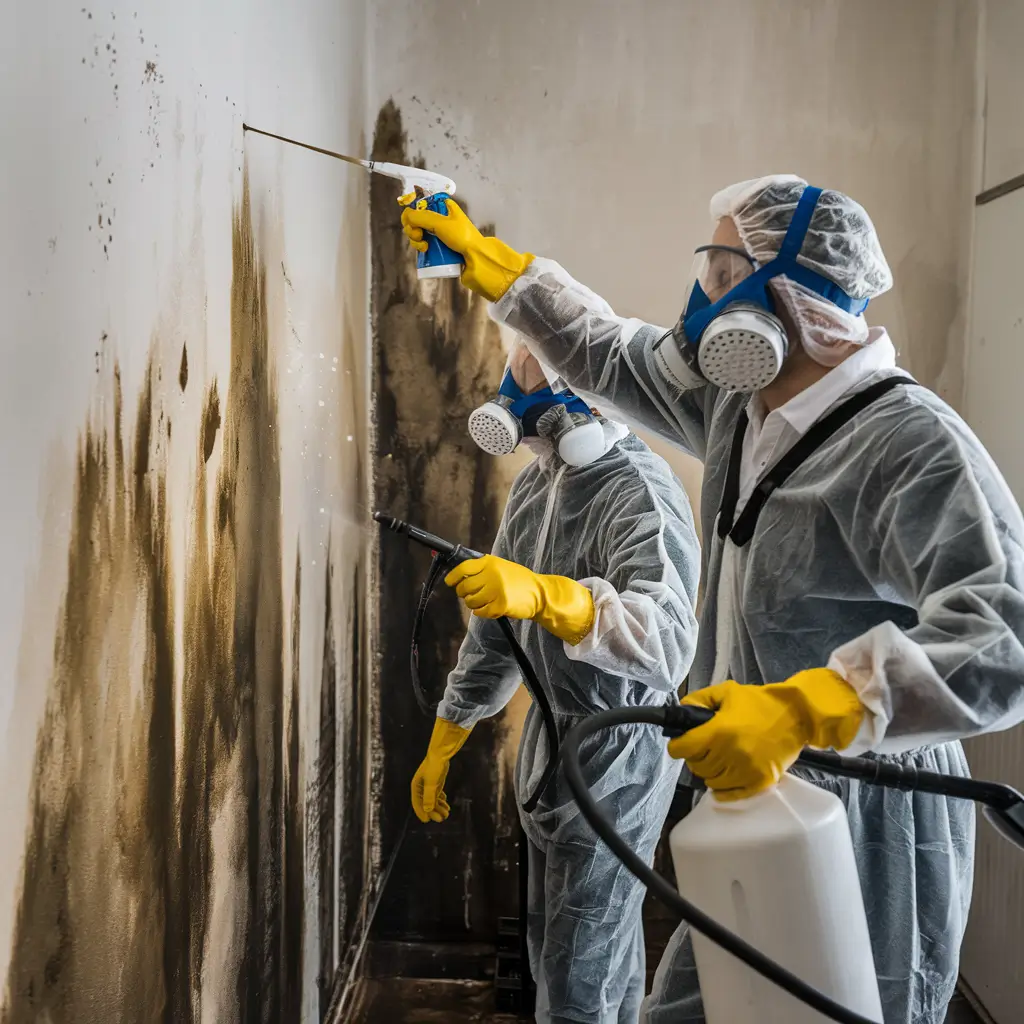
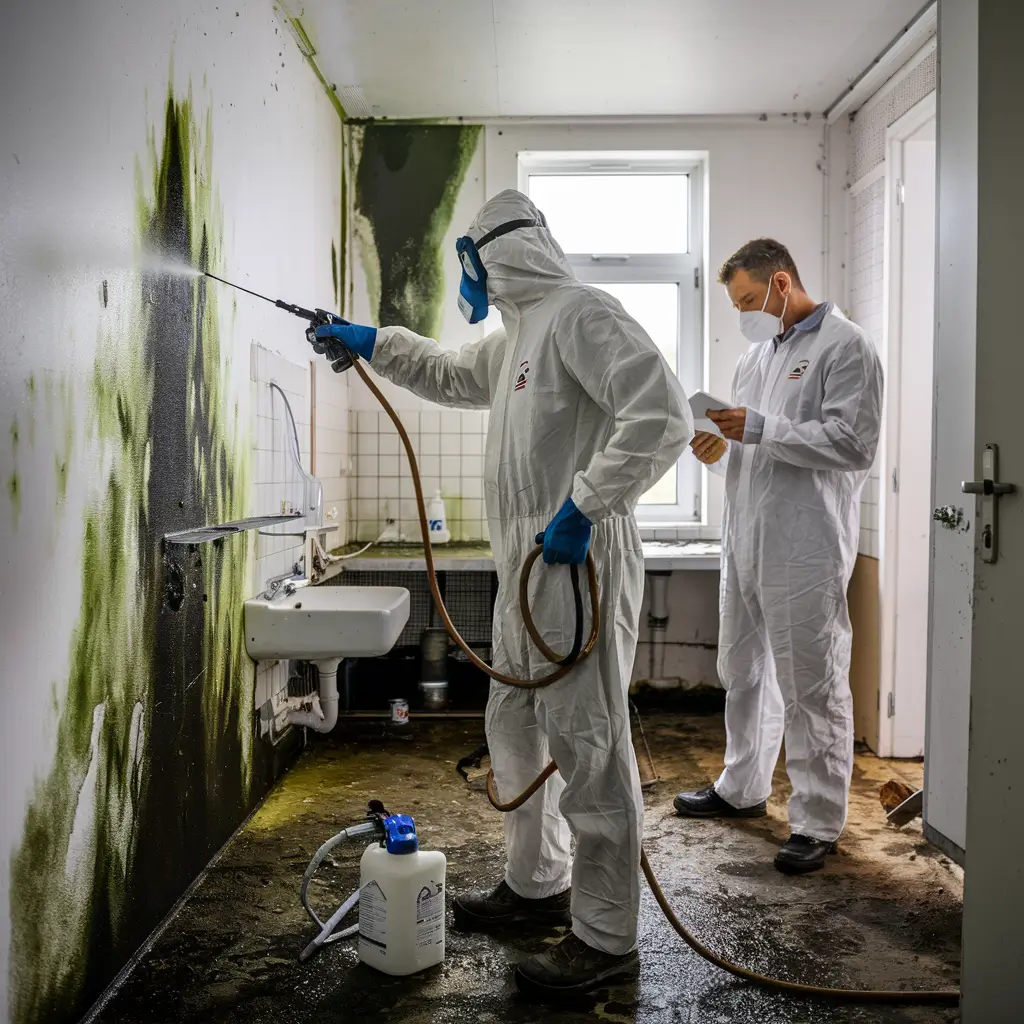
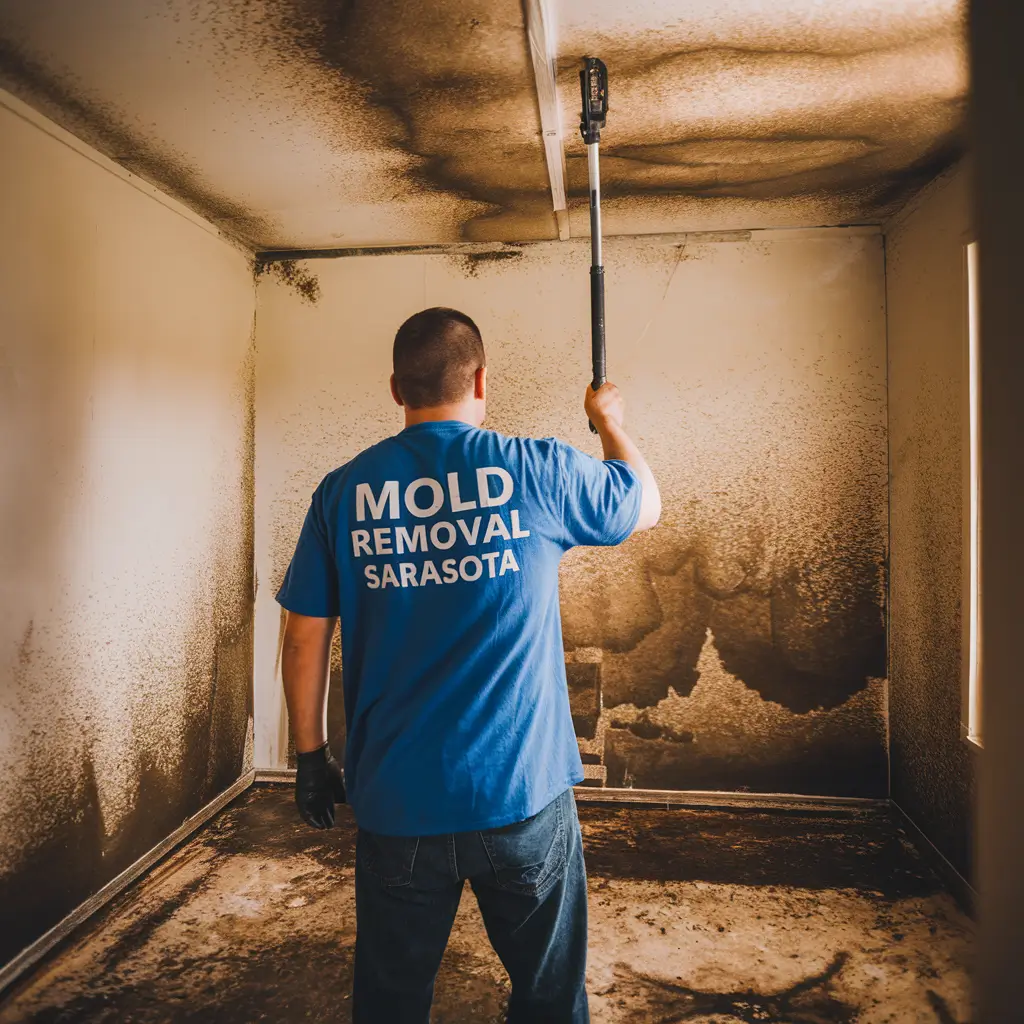
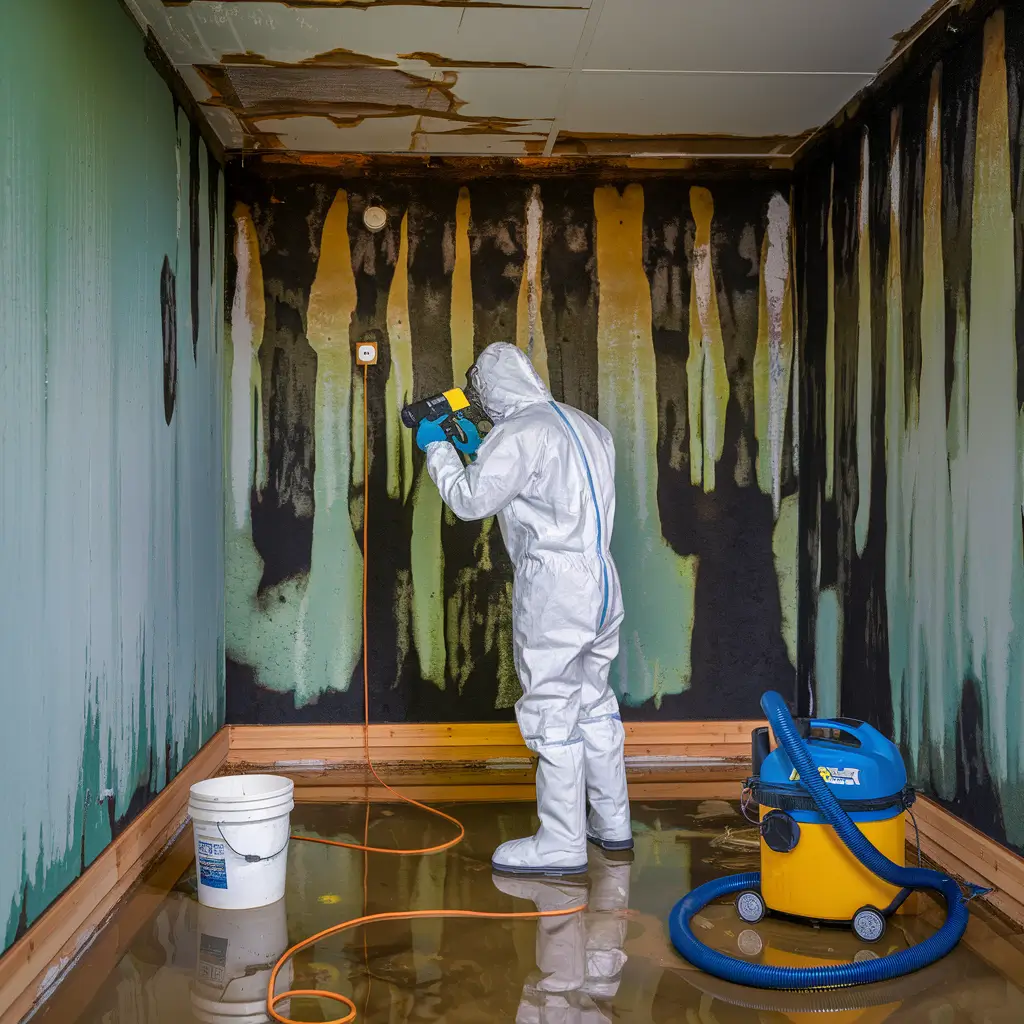
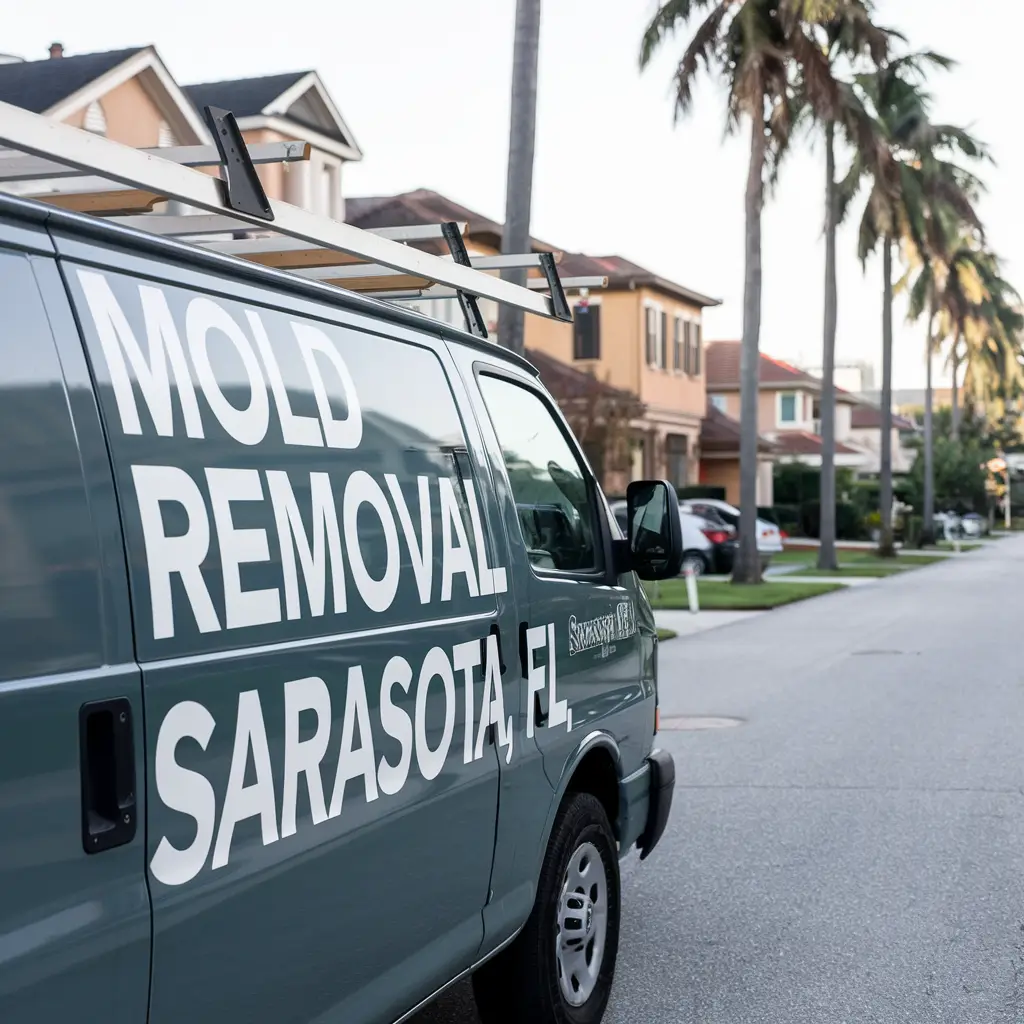
Documented Mold Damage Remediation Projects in Sarasota County

Our Proven Mold Remediation Process
At Mold Removal Sarasota, we utilize a scientifically-proven, six-phase remediation protocol that exceeds IICRC S520 standards. Our certified technicians combine advanced HEPA filtration technology with antimicrobial treatments to eliminate mold spores while preventing cross-contamination and ensuring long-term prevention.
Inspection & Assessment
Identify mold sources, affected areas, and moisture problems.
Containment
Prevent mold spores from spreading using negative air pressure and barriers.
Mold Removal
Safely remove mold and contaminated materials with specialized equipment.
Cleaning & Treatment
Apply antimicrobial treatments and HEPA filtration to eliminate remaining spores.
Restoration
Repair and restore damaged areas to pre-mold condition.
Prevention Guidance
Provide recommendations to prevent future mold growth.
Signs You May Have Mold
Mold isn’t always visible. Watch for these warning signs:
- Musty or damp odors
- Recent water damage or leaks
- Allergy symptoms or respiratory issues
- Discoloration on walls, ceilings, or floors
- Increased indoor humidity
If you notice any of these, schedule a professional inspection immediately.
Verified Client Testimonials - Sarasota Mold Success Stories
John D., Siesta Key, Sarasota
“When I discovered toxic black mold (Stachybotrys) throughout my bathroom after Hurricane Ian, I was terrified about health risks. The team’s rapid response and professional containment prevented spread to other areas. They used HEPA filtration and antimicrobial treatments, completing thorough remediation in three days. Six months later, clearance testing confirms my home remains completely mold-free. Their prevention strategies have been invaluable for coastal living.”
Sarah M., Palmer Ranch, Sarasota
“They handled a complex mold issue in our home quickly and professionally. The air quality improvement was immediate.”
Michael T., Lakewood Ranch, Sarasota
“After major water damage compromised our home’s foundation, thermal imaging revealed extensive hidden mold growth we couldn’t see. Their team’s comprehensive approach included structural drying, antimicrobial treatment, and ongoing moisture monitoring. They guided us through the insurance process and provided detailed remediation reports. After 20 years in Sarasota, I can confidently recommend them as the region’s most qualified mold remediation professionals.”
Why Choose Our Sarasota Mold Experts
Certified & Experienced Professionals
Our technicians follow industry standards and use proven remediation techniques for safe and effective results.
Advanced Equipment
We use HEPA air scrubbers, moisture detectors, and thermal imaging to detect and eliminate mold completely.
Fast Response Times
Mold spreads quickly. Our team is available 24/7 to respond to emergencies and minimize damage.
Safe & Effective Treatments
We use EPA-approved antimicrobial solutions that are safe for families and pets when applied correctly.
Insurance Assistance
We help document damage and work with insurance providers to simplify the claims process.
Customized Remediation Protocols for Sarasota Properties
Every property presents unique challenges requiring tailored solutions rather than one-size-fits-all approaches. We develop customized remediation strategies based on property age, construction materials, moisture sources, and contamination extent, ensuring effective treatment while minimizing disruption and costs.
Transparent Pricing with Detailed Estimates
We provide comprehensive written estimates detailing all phases of remediation work, equipment rental, and materials costs with no hidden fees or surprise charges. Our transparent pricing structure allows you to understand exactly what services you’re receiving and make informed financial decisions.
100% Customer Satisfaction Guarantee
Your safety and satisfaction drive everything we do from initial consultation through final clearance testing. We stand behind our work with comprehensive warranties and remain available for post-remediation support, ensuring your complete confidence in our services and long-term peace of mind.
Strict Safety Protocols & Environmental Compliance
We adhere to stringent OSHA safety standards and EPA environmental regulations throughout every remediation project. Our comprehensive safety protocols include worker protection equipment, air quality monitoring, and proper waste disposal procedures that protect both our technicians and your family’s health.
Expert Answers to Sarasota Mold Remediation Questions
How quickly can certified mold technicians respond in Sarasota County?
Emergency response teams arrive within 2 hours across Sarasota County and operate 24/7. Rapid response limits mold spore dispersion within the first 24–48 hours. Vehicles carry HEPA air scrubbers (99.97% efficiency), containment barriers, and moisture meters for immediate stabilization.
What certifications do Sarasota mold remediation technicians hold?
Technicians hold 3 primary IICRC certifications: AMRT, WRT, and ASD. The Institute of Inspection Cleaning and Restoration Certification defines these standards for microbial removal, water damage restoration, and structural drying. Teams follow EPA, OSHA, and Florida regulatory requirements.
Do mold inspections include free services in Sarasota?
Mold inspections include free consultations and paid laboratory testing. Assessments include 3 components: visual inspection, moisture mapping, and air sampling. Laboratory analysis determines spore concentration levels. Insurance coverage applies when water damage or health documentation exists.
How long does mold remediation take in Sarasota homes?
Mold remediation requires 2–10 days based on contamination severity and area size. Localized contamination completes in 2–3 days. Structural or HVAC contamination requires 5–10 days. Timeline variation depends on square footage, material removal, and drying time.
Are antimicrobial treatments safe for occupants and pets?
EPA-registered antimicrobial agents are safe after application and curing periods. Treatments target mold spores and mycotoxins without persistent residue. Temporary relocation lasts 1–3 days during active remediation and containment phases.
Does homeowner’s insurance cover mold remediation in Sarasota?
Insurance covers mold remediation when caused by sudden water damage events. Covered perils include burst pipes and storm damage. Gradual moisture buildup often receives no coverage. Documentation and adjuster evaluation determine claim approval.
How can mold recurrence be prevented in Sarasota’s climate?
Mold prevention requires maintaining indoor humidity between 30%–50% and controlling moisture sources. Key factors include:
- Humidity control – keep levels below 50% using dehumidifiers
- Ventilation – maintain airflow per ASHRAE standards
- Water management – repair leaks within 24 hours
- HVAC maintenance – clean systems to prevent spore circulation
Do mold remediation services cover commercial properties in Sarasota?
Commercial mold remediation covers 5 property types: offices, retail, restaurants, hotels, and healthcare facilities. Services include after-hours scheduling, contamination containment, and documentation for insurance and regulatory compliance.
What credentials define a licensed mold remediation company in Sarasota?
Licensed companies maintain IICRC certifications, Florida contractor licensing, and insurance coverage. Required policies include general liability and workers’ compensation. Operations follow EPA guidelines, OSHA safety standards, and Florida Department of Health protocols.
What factors determine mold remediation costs in Sarasota?
Mold remediation costs range from $1,500 to $15,000+ based on 4 factors:
- Contamination size – total affected square footage
- Material type – drywall, wood, HVAC systems
- Containment complexity – negative air and isolation setup
- Labor duration – remediation and drying time
Small projects range $1,500–$3,000. Full-property remediation ranges $5,000–$15,000+.
Complete Mold Solutions Throughout Sarasota County
Locations We Serve
Directions
From Sarasota-Bradenton International Airport: Exit Sarasota-Bradenton International Airport (SRQ) and follow signs to US-41 North (Tamiami Trail). Drive north on US-41 for 4 miles. Turn right onto Hyde Park Street near Sarasota Memorial Hospital. Drive 0.3 miles. 1966 Hyde Park Street is on the left.
From Downtown Sarasota/Main Street: Drive north on Main Street toward Ringling Bridge. Turn left onto US-41 (Tamiami Trail). Continue for 2 miles. Turn right onto Hyde Park Street at the Sarasota Memorial Hospital intersection. Drive 0.3 miles. 1966 Hyde Park Street is on the left.
From Interstate 75 (North or South): Take Exit 210 (University Parkway West) toward Sarasota. Drive west on University Parkway for 8 miles to US-41 (Tamiami Trail). Turn right onto US-41 North. Drive 2 miles. Turn right onto Hyde Park Street. Drive 0.3 miles. 1966 Hyde Park Street is on the left.
From Lakewood Ranch/East Sarasota: Take State Road 64 West to Interstate 75 South. Take Exit 210 (University Parkway West). Drive west for 8 miles to US-41 (Tamiami Trail). Turn right onto US-41 North. Drive 2 miles. Turn right onto Hyde Park Street. Drive 0.3 miles. 1966 Hyde Park Street is on the left.